

Mahindra REVAi
₹0
Ex-Showroom Price

Mahindra REVAi
The Mahindra REVAi (originally the REVA) was India's — and one of the world's — first commercially produced electric cars. Launched in 2001, it pioneered EV mobility in India and laid the foundation for Mahindra's entire EV portfolio after the acquisition of REVA Electric Car Company in 2010.
Price Breakup
Please select variant first

Key Specification

80 km
Range

9.6 kWh (Lead Acid)
Battery Capacity
.png&w=64&q=75 "Max Power")
17 PS (13 kW)
Max Power
.png&w=64&q=75 "Max Torque")
53 Nm
Max Torque

4
Sitting Capacity
.png&w=64&q=75 "Fuel Type")
Electric
Fuel Type

170 mm
Ground Clearance

Hatchback (2-door)
Body Type

Single-speed Automatic
Transmission
Mahindra REVAi variants
The Mahindra REVAi price for the base model starts at (Ex-Showroom) and ₹0 (On-Road, Noida). There are 0 variants listed below.
Data is not available
Mahindra REVAi Colors (3)
Mahindra REVAi Colors (3)
Black


Black

Coral Red

Silver
Mahindra REVAi Latest Updates
- •
The REVAi has been discontinued — it was India's first electric car launched in 2001.
- •
The REVA brand was acquired by Mahindra in 2010, leading to the e2o and EV lineup.
- •
A landmark vehicle in Indian and global EV history.
Performance and driveability
Purely urban — limited to 80 km range with a top speed of 65 km/h. A pioneering vehicle in concept rather than performance.
Interior and features
Extremely spartan — no modern features whatsoever. A basic 2-door urban EV concept.
Who should buy
Of historic and collector interest only. No practical daily-use case.
Mahindra REVAi Brochure
How is Mahindra REVAi
Pros
- •India's first electric car — a historic milestone.
- •Zero tailpipe emissions — truly ahead of its time.
Cons
- •Discontinued — purely of historical/collector interest.
- •80 km range on lead-acid batteries.
- •No modern safety features.
User Review
Loading reviews...
Q. What is the Mahindra REVAi and why does it hold a place in Indian automotive history?
SIX BUY AND SELL TEAM • Apr 2026
The REVA i (2001–2012) was India's first mass-market electric vehicle, manufactured by Reva Electric Car Company in Bengaluru before Mahindra acquired the company. It predated the global EV movement by nearly a decade and demonstrated that an electric car could be produced and sold affordably in India. With a 65–80 km range in its era, it served as a city runabout primarily for eco-conscious urban buyers. Today, it holds historical significance as a pioneering Indian EV and collector's curiosity rather than a practical vehicle.
By SIX BUY AND SELL TEAM • Apr 2026
Q. Is the REVAi still functional as a used vehicle in 2026, and what is its practical range?
SIX BUY AND SELL TEAM • Apr 2026
Original REVAi batteries (lead-acid in early versions, lithium in later variants) will have degraded significantly over 12–20 years of use. Lead-acid battery examples typically offer only 30–50 km of range; lithium variants may retain 50–65 km range if properly maintained. As a practical commuter in 2026, the REVAi is marginal — modern traffic speeds (even urban), safety concerns, and charging infrastructure compatibility make it functionally limited. As a collector piece or heritage display vehicle, it has unique sentimental and historical value.
By SIX BUY AND SELL TEAM • Apr 2026
Q. Can the REVAi's battery be replaced to restore useful range, and what does this cost in India?
SIX BUY AND SELL TEAM • Apr 2026
Mahindra Electric (formerly Reva) no longer produces the REVAi or its specific battery packs. Battery replacement requires sourcing through specialist EV rebuild services or lithium battery retrofit specialists in cities like Bengaluru, Chennai, and Pune. A lithium retrofit (replacing the old pack with modern LFP cells) can restore 80–100 km range and costs approximately ₹60,000–90,000 — often exceeding the car's market value. For a collector intending to keep the car operational, a retrofit makes it significantly more reliable; the economics only work if the car has sentimental or heritage value justifying the cost.
By SIX BUY AND SELL TEAM • Apr 2026
Q. Is the REVAi safe to drive on modern Indian roads — what are its key limitations compared to even basic modern cars?
SIX BUY AND SELL TEAM • Apr 2026
The REVAi's small body, light weight (approximately 665 kg), lack of airbags, and low crash protection standards make it genuinely vulnerable in Indian traffic conditions dominated by heavier vehicles. It was designed for specific low-speed urban environments of the early 2000s. For actual daily traffic use in 2026, the REVAi's safety limitations are a serious concern. As a heritage display vehicle used for static shows, club events, or very low-speed campus environments, it can be enjoyed safely.
By SIX BUY AND SELL TEAM • Apr 2026
Q. What is the collector value of a well-preserved REVAi, and is there a community around it in India?
SIX BUY AND SELL TEAM • Apr 2026
A well-preserved, running REVAi has growing collector interest as India's first EV pioneer — there is a small but passionate community of Reva enthusiasts in Bengaluru and Mumbai who maintain examples and document the model's history. Values for presentable running examples range from ₹1.5–4 lakh. The REVAi's collector value is driven by historical significance rather than mechanical desirability; a fully restored, period-correct example with its original charging point setup represents a unique piece of Indian automotive heritage that will only become rarer.
By SIX BUY AND SELL TEAM • Apr 2026
Upcoming Cars
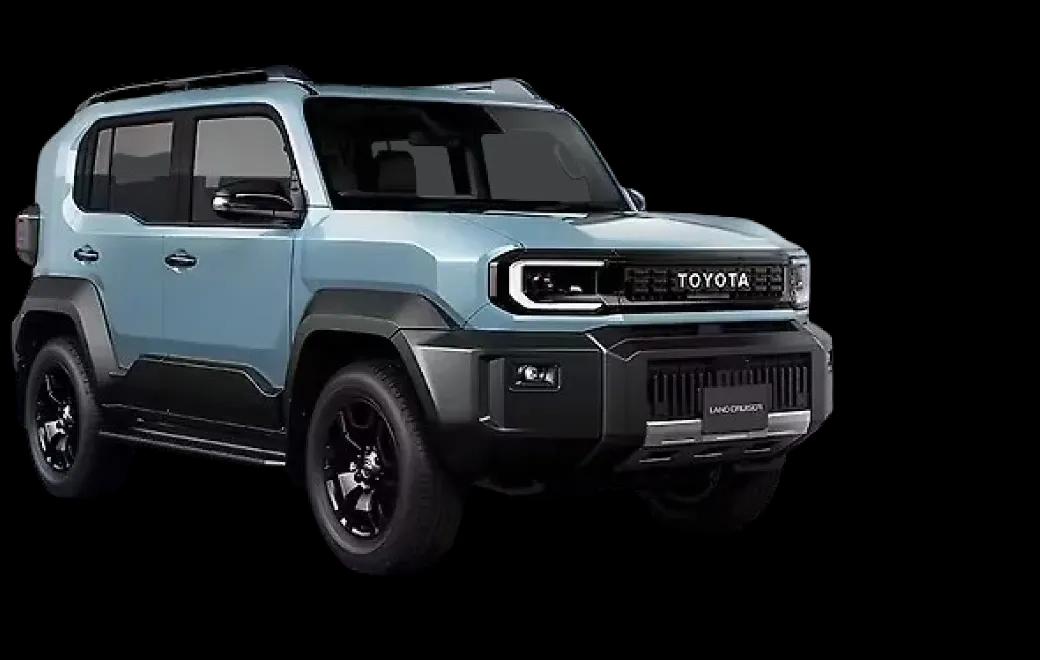
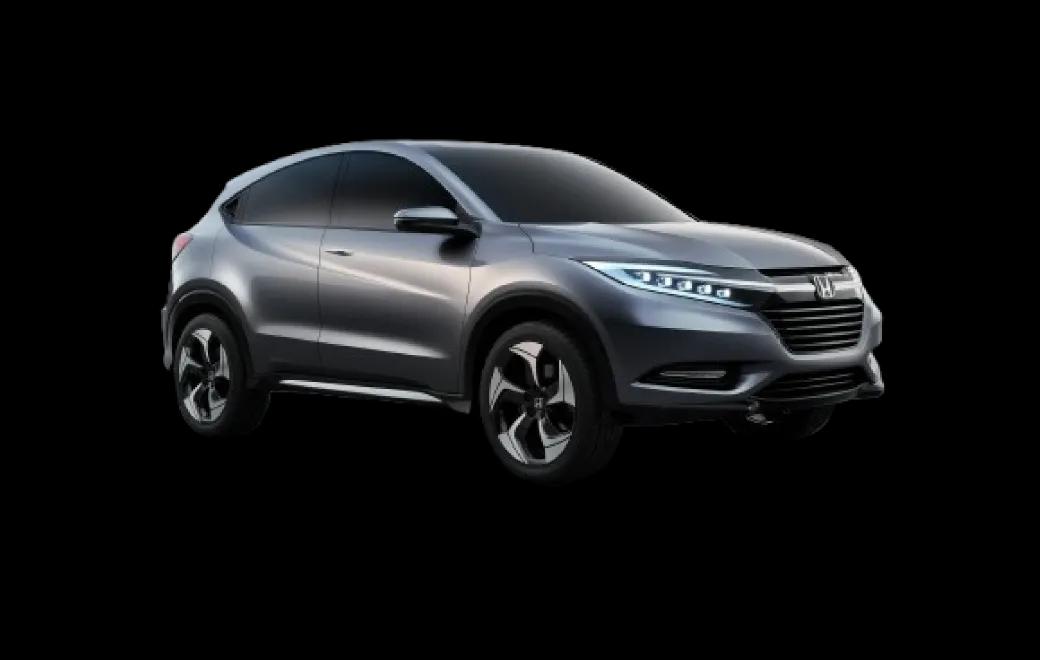
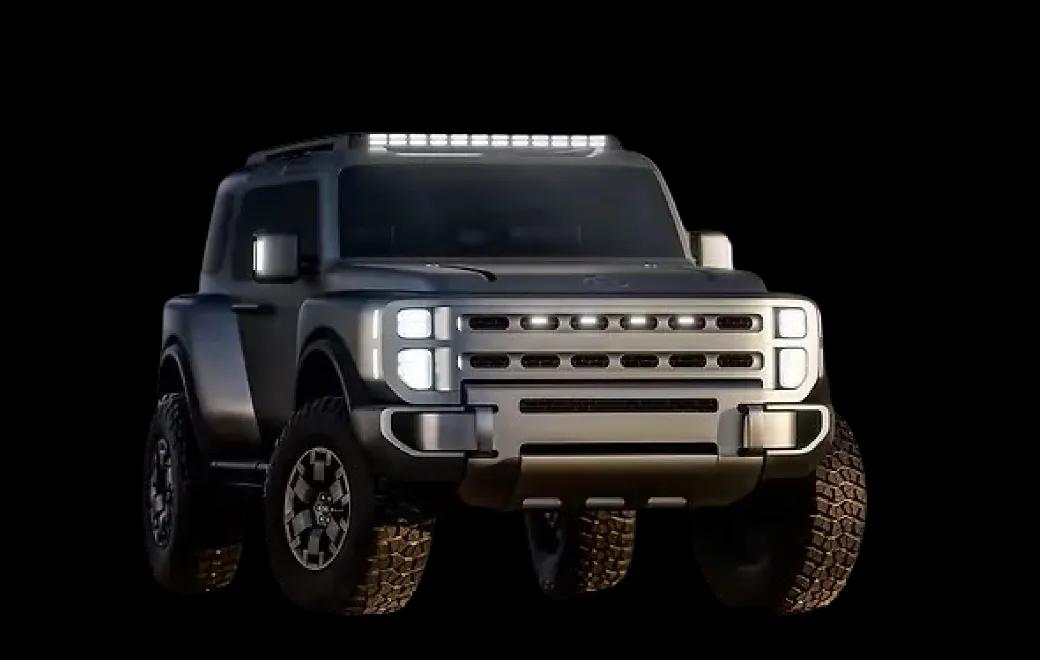
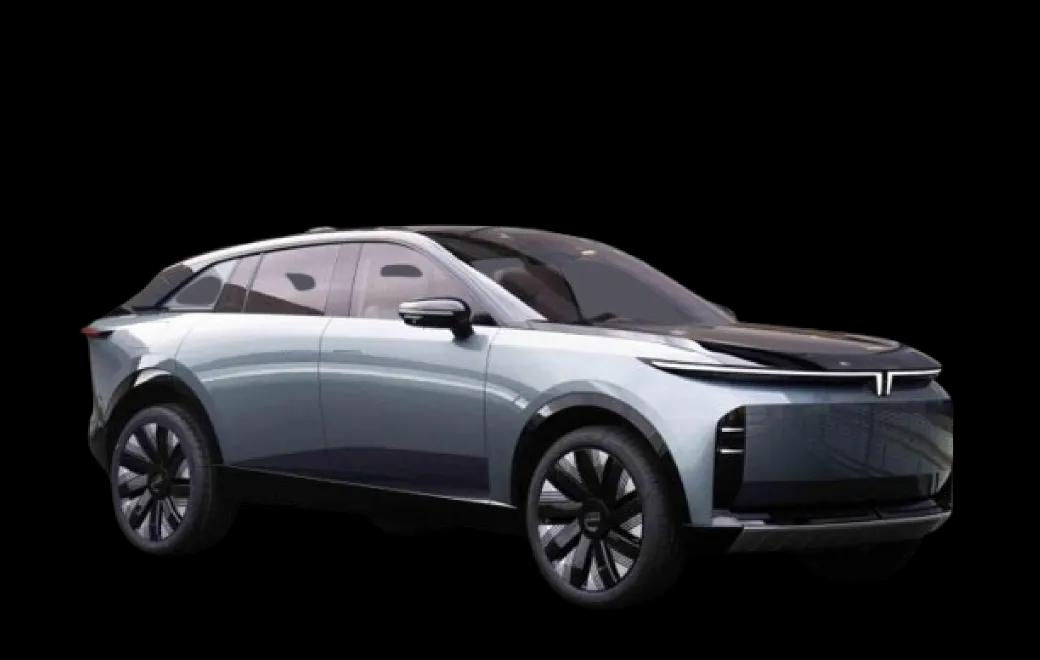
Upcoming Mahindra Cars


Popular Upcoming Cars
Recommended Cars for you


Popular Coupe Cars


Stories
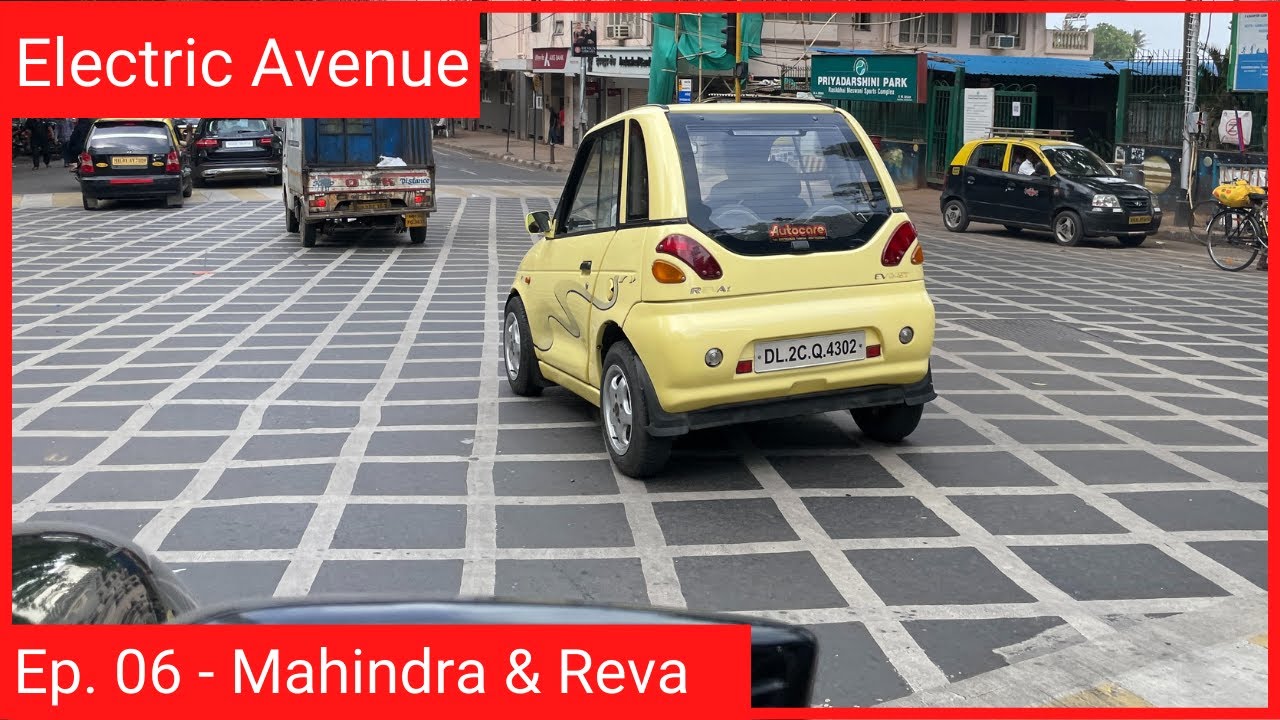
Electric Avenue - Ep. 06 (Mahindra & Reva)
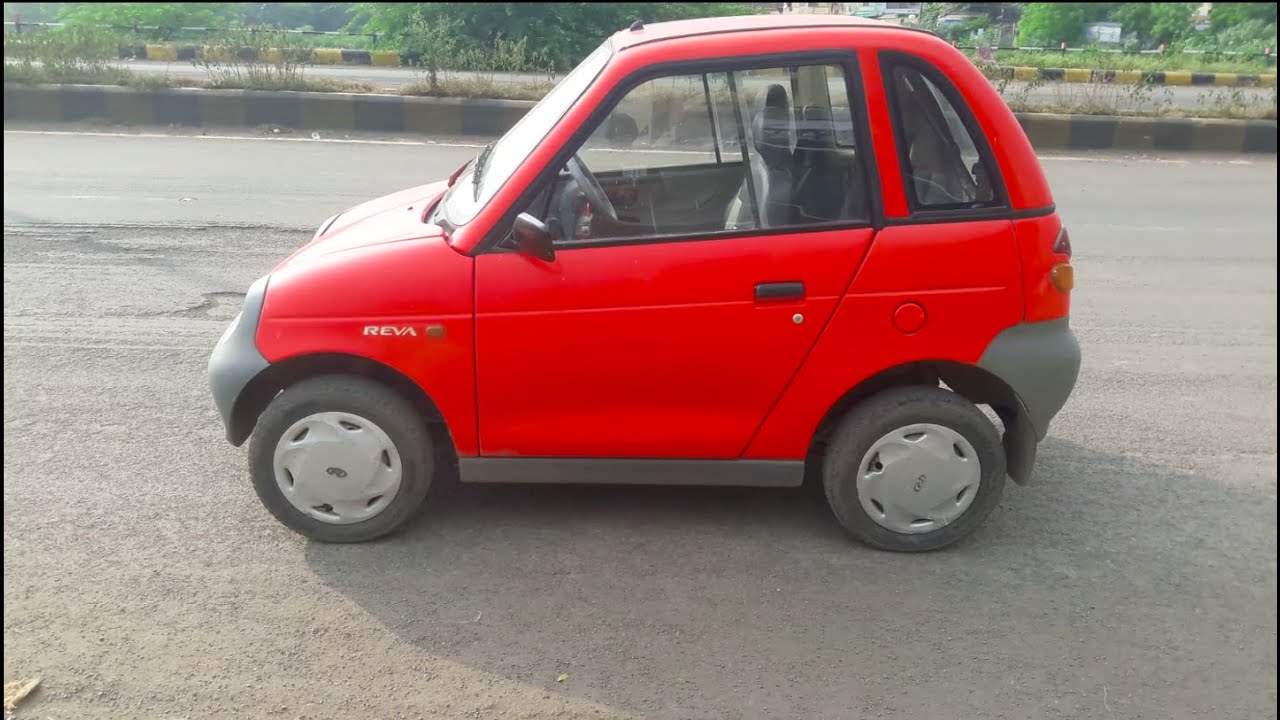
REVAi 2008 AC Electric Car | Real Life Review | REVAi Car For Sale | Namascar | Solapur, Maharashtra
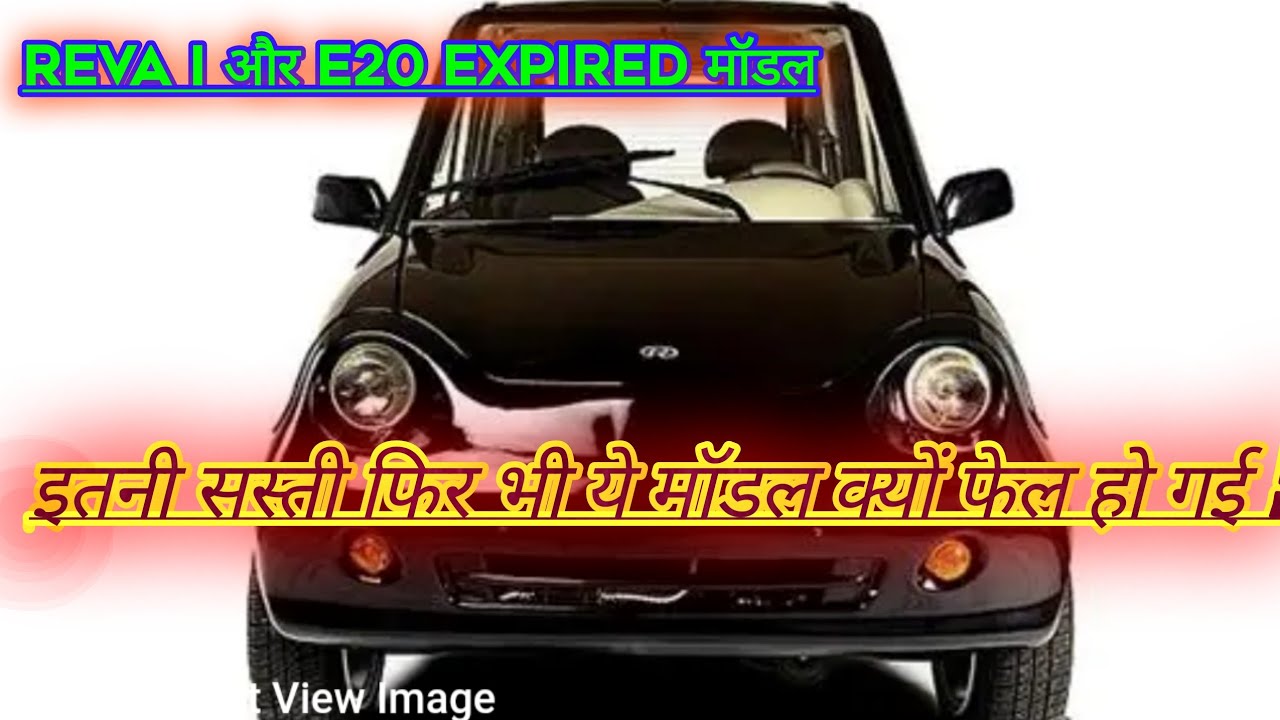
आख़िर क्यों fail हो गई Mahindra ki Reva i और e20 #Mahindracar #Expiredmodel

Launch of REVAi in Hyderabad
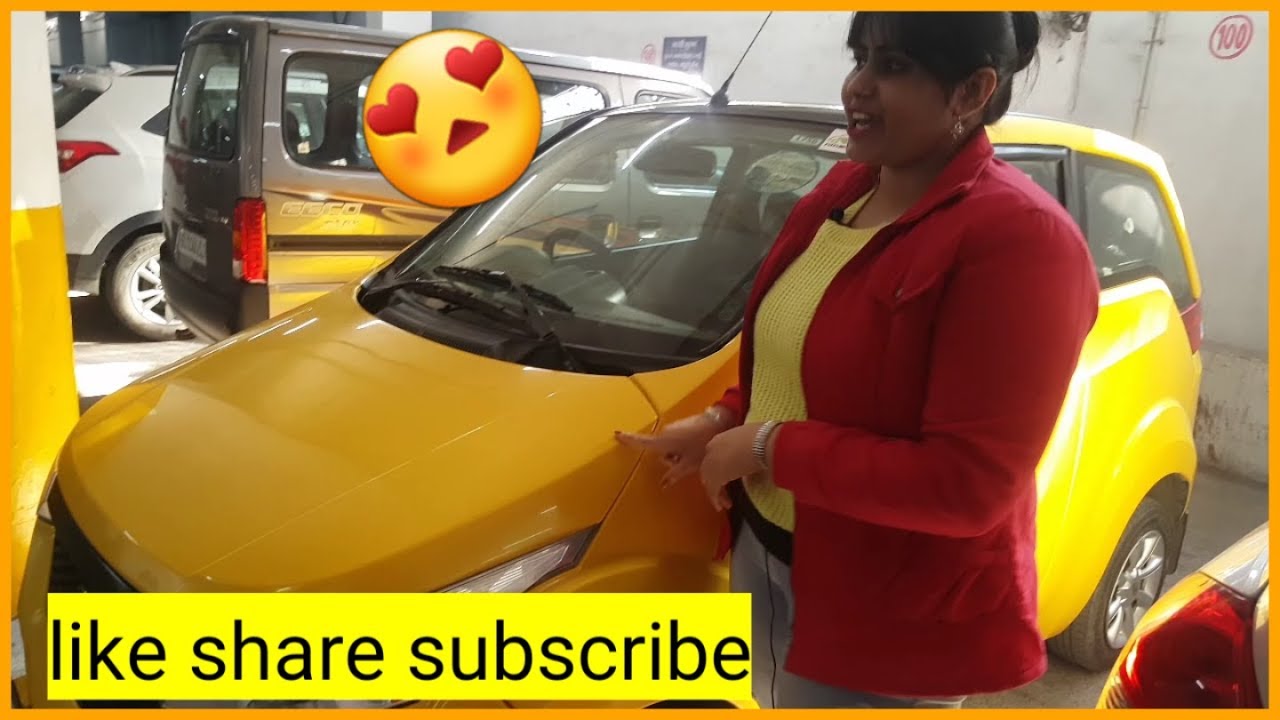
#realhappiness#Electriccar||Electric car Reva E20
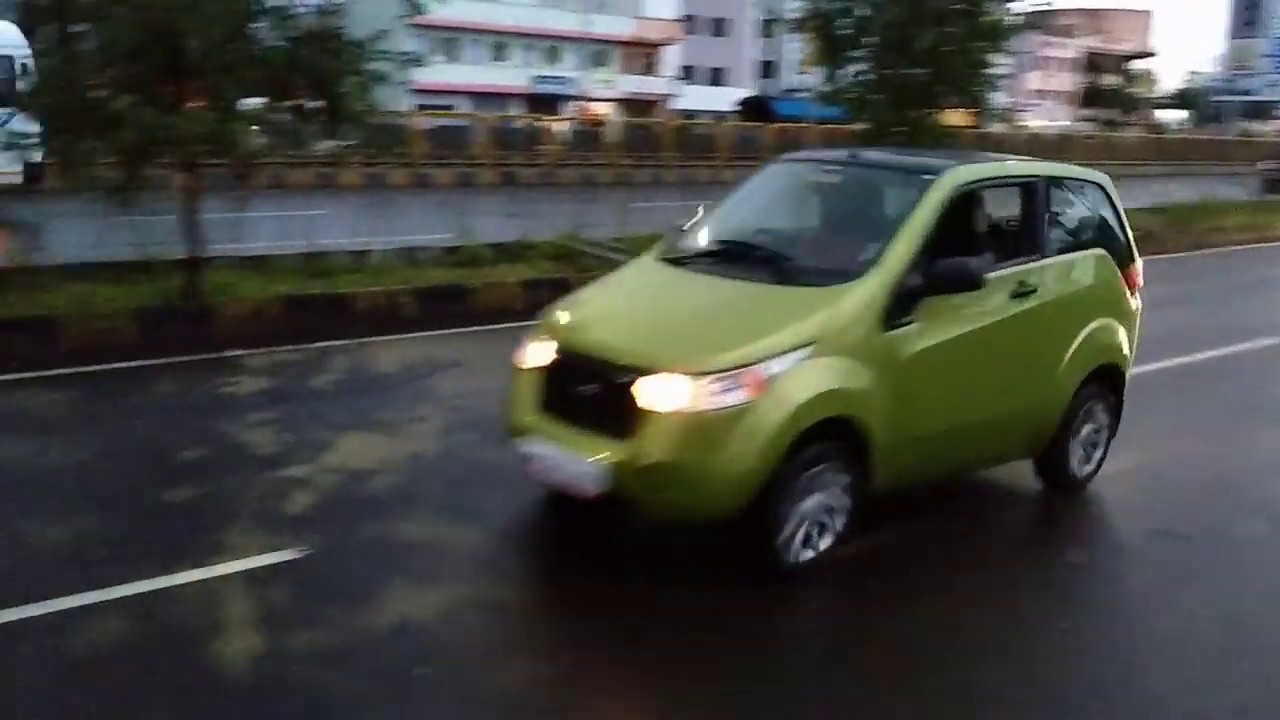
Mahindra Reva E20 Acceleration Test, 0 to 60 kmph time ?
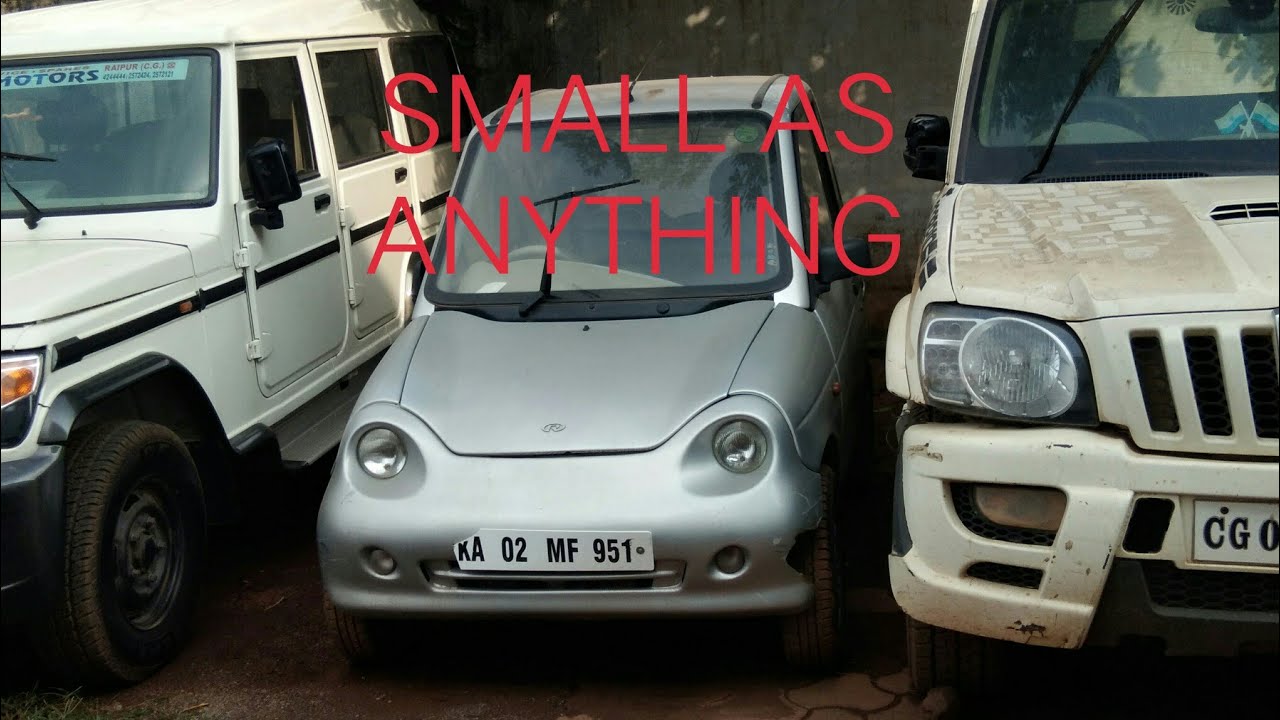
MAHINDRA REVAi ELECTRIC CAR
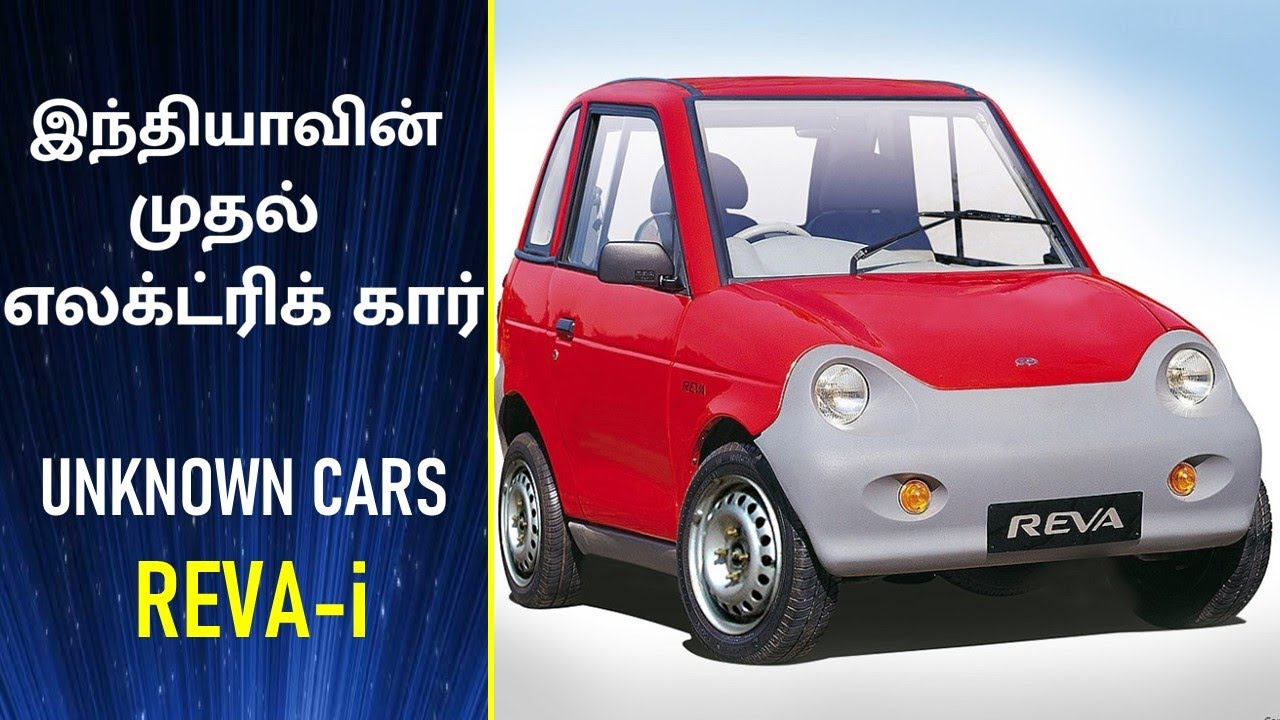
Reva-i I India's first electric I Unknown cars Series I Episode 002 I Car info tamil
Review by Influencer
Talk With Expert

Engage in genuine, confident discussions with experts, fostering trust, sharing insights, and encouraging collaborative problem-solving.
Mahindra REVAi News and Guide
View All Mahindra REVAi News and Guide →No blog posts found.