
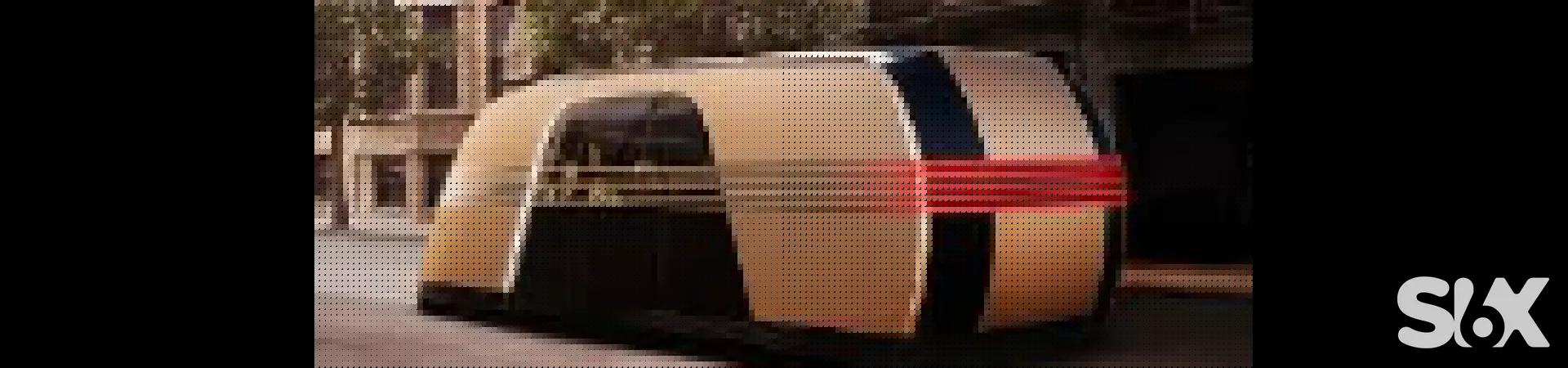
Tesla Robovan
₹0
Ex-Showroom Price

Tesla Robovan
The Tesla Robovan is an autonomous electric van concept unveiled at Tesla's We Robot event in October 2024 — a futuristic pill-shaped people and goods mover with no driver controls, using Tesla's FSD camera-only autonomous system. Production timeline and specifications are not yet confirmed.
Price Breakup
Please select variant first

Key Specification

Not yet confirmed
Range

Not yet confirmed
Battery Capacity
.png&w=64&q=75 "Max Power")
Not officially confirmed
Max Power
.png&w=64&q=75 "Max Torque")
Not officially confirmed
Max Torque

Up to 20 (Estimated — autonomous van)
Sitting Capacity
.png&w=64&q=75 "Fuel Type")
Electric
Fuel Type

Not yet confirmed
Ground Clearance

Not yet confirmed
Tire Size
.png&w=64&q=75 "Boot Space")
Autonomous van — configurable
Boot Space

Van
Body Type

Multi-motor EV (Not confirmed)
Transmission
Tesla Robovan variants
The Tesla Robovan price for the base model starts at (Ex-Showroom) and ₹0 (On-Road, Noida). There are 0 variants listed below.
Data is not available
Tesla Robovan Colors (1)
Tesla Robovan Colors (1)
White

White
Tesla Robovan Latest Updates
- •
Tesla Robovan unveiled at the We Robot event in October 2024 alongside the Cybercab — an autonomous electric van for both passenger and goods transport.
- •
Robovan design features a futuristic pill-shaped body with no visible driver controls — entirely autonomous.
- •
Production timeline, specifications, and pricing have not been officially confirmed by Tesla.
Concept and purpose
The Robovan is designed as an autonomous people mover and goods transporter — a futuristic pill-shaped van with no driver controls. It uses the same FSD camera-only autonomous system as the Cybercab. Designed for urban shared mobility, goods delivery, and eventually replacing city bus operations.
Current status
Revealed as a concept at the We Robot event in October 2024. No production specifications, pricing, or confirmed launch timeline has been provided by Tesla. The Robovan is expected to follow the Cybercab in production — likely 2027 or beyond.
India relevance
India's regulatory framework for fully autonomous vehicles does not currently exist — the Robovan's India launch would require significant regulatory development. The concept is relevant for India's public transport challenges if autonomous regulations develop.
Tesla Robovan Brochure
How is Tesla Robovan
Pros
- •First autonomous van concept from a major EV manufacturer.
- •Up to 20-seat capacity for shared urban mobility.
- •Same FSD camera-only platform as Cybercab — no expensive sensors.
Cons
- •Concept stage — no confirmed production specifications or timeline.
- •India autonomous vehicle regulations do not yet permit this product.
- •Very early stage — years away from any production reality.
User Review
Loading reviews...
Q. Tesla's Robovan concept was revealed in 2024 — for Indian fleet operators and transport businesses, what is the realistic commercial case being built, and should anyone be thinking about it now?
SIX BUY AND SELL TEAM • Apr 2026
The Robovan is positioned as an autonomous, high-capacity people-mover (up to 20 passengers) intended for fleet, airport, campus, and urban transit use. For Indian fleet operators — school bus operators, corporate shuttle services, airport ground transport — the concept addresses a real need. However, as of 2026, no production timeline, specifications, or pricing have been confirmed. Operators should monitor developments, avoid committing capital, and use the Robovan concept as a forward-planning input rather than an active procurement option. Tesla's robotaxi ambitions will determine Robovan's trajectory.
By SIX BUY AND SELL TEAM • Apr 2026
Q. For a hypothetical Robovan operating in an Indian school bus or corporate shuttle context — how would charging logistics work for a vehicle making multiple daily runs?
SIX BUY AND SELL TEAM • Apr 2026
Fleet EV operations in India (informed by existing electric bus deployments by TATA and Olectra) suggest a Robovan would require depot-based overnight charging infrastructure — a 150–200 kWh pack (estimated) would need 8–12 hours at 22–50 kW depot chargers for a full replenishment. For school routes (2 runs/day, 80–120 km total), a Robovan's estimated range would be more than adequate. The infrastructure investment required at the depot level is the primary barrier for Indian operators — budget ₹15–25 Lakh per charging bay installation as a planning assumption.
By SIX BUY AND SELL TEAM • Apr 2026
Q. The Robovan's concept relies on Tesla's Full Self-Driving technology — given India's traffic conditions, when is autonomous van operation realistically viable on Indian roads?
SIX BUY AND SELL TEAM • Apr 2026
Tesla's FSD in its current form (2025–2026) is Level 2 autonomy — it requires an attentive driver at all times. True Level 4 or 5 autonomy required for a driverless Robovan in Indian conditions faces specific Indian regulatory (CMVR), insurance, and liability framework challenges that do not yet exist. Conservative estimate: autonomous passenger vehicle operation on defined, geo-fenced Indian routes (airports, tech park campuses, controlled environments) may be viable by 2030–2032; open-road autonomous operation in Indian urban conditions is a 2035+ proposition at minimum.
By SIX BUY AND SELL TEAM • Apr 2026
Q. How does the Robovan concept compare to existing alternatives like TATA Ace EV, Mahindra Treo Yaari, or the Olectra electric bus for Indian fleet operators planning now?
SIX BUY AND SELL TEAM • Apr 2026
The existing Indian electric fleet vehicles are available, serviceable, and operationally proven today — a critical advantage over the conceptual Robovan. For any Indian fleet operator needing electric people-movers now, the Olectra/TATA electric bus lineup is the actionable choice. The Robovan's potential advantages (autonomous operation, Tesla software ecosystem, energy efficiency) are meaningful on paper but hypothetical in practice. Fleet decisions for the next 3–5 years should be based on available products; include Robovan as a 2028–2030 horizon option in long-term planning.
By SIX BUY AND SELL TEAM • Apr 2026
Q. From a fleet management perspective, what would Robovan's total cost of ownership look like in India — and what are the key financial variables that Indian operators should track?
SIX BUY AND SELL TEAM • Apr 2026
Without confirmed specifications, precise TCO modelling is premature, but indicative benchmarks from comparable EVs suggest: energy cost per km of ₹0.80–₹1.20 (at ₹8/kWh industrial charging rate), maintenance at 40–50% lower than diesel equivalent (fewer moving parts, no engine/transmission service), and driver cost remaining constant until genuine autonomy arrives. The key financial variables to track as information emerges: battery pack warranty terms, service contract availability in India, insurance categorisation by IRDAI (a major unknown for autonomous vehicles), and import duty structure under India's EV policy framework.
By SIX BUY AND SELL TEAM • Apr 2026


Upcoming Cars

Upcoming Tesla Cars


Popular Upcoming Cars
Recommended Cars for you


Stories
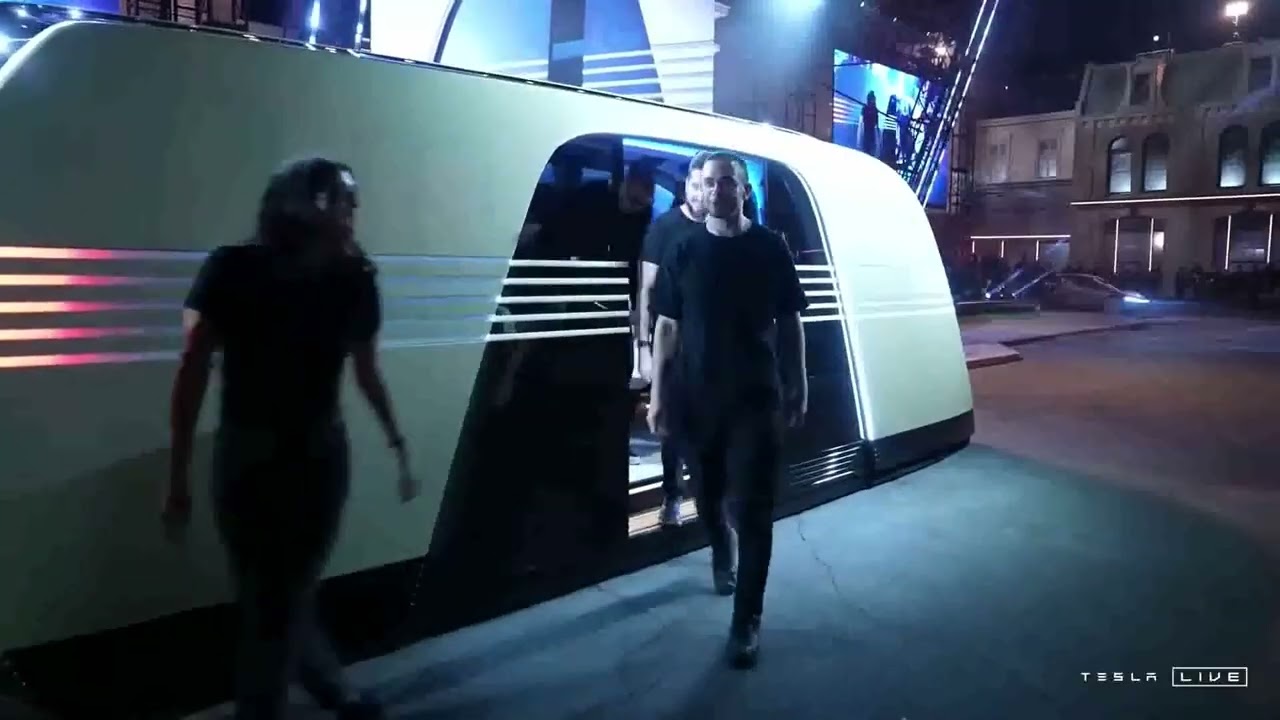
Tesla Robovan — Autonomous 20-Passenger Van for Group Travel | ASCENDING Arizona
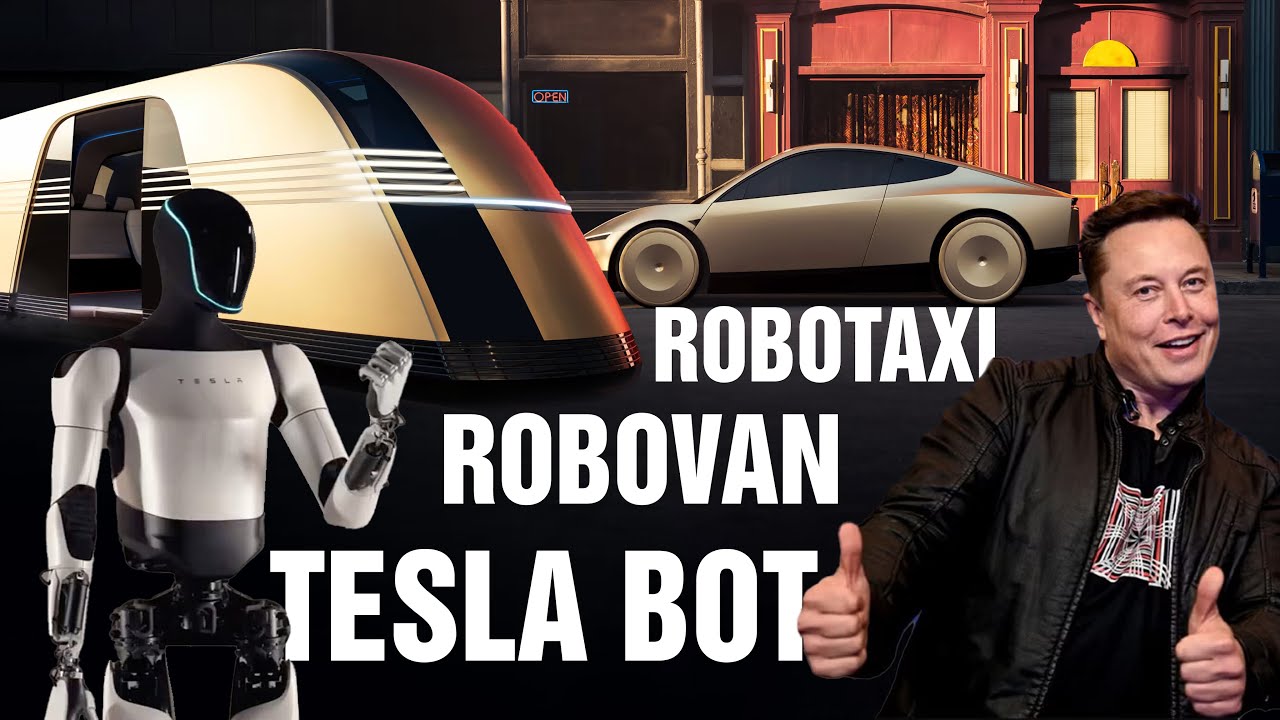
Elon Musk's Futuristic ROBOTAXI, ROBOVAN, and HUMANOID ROBOTS: Welcome to the Future!
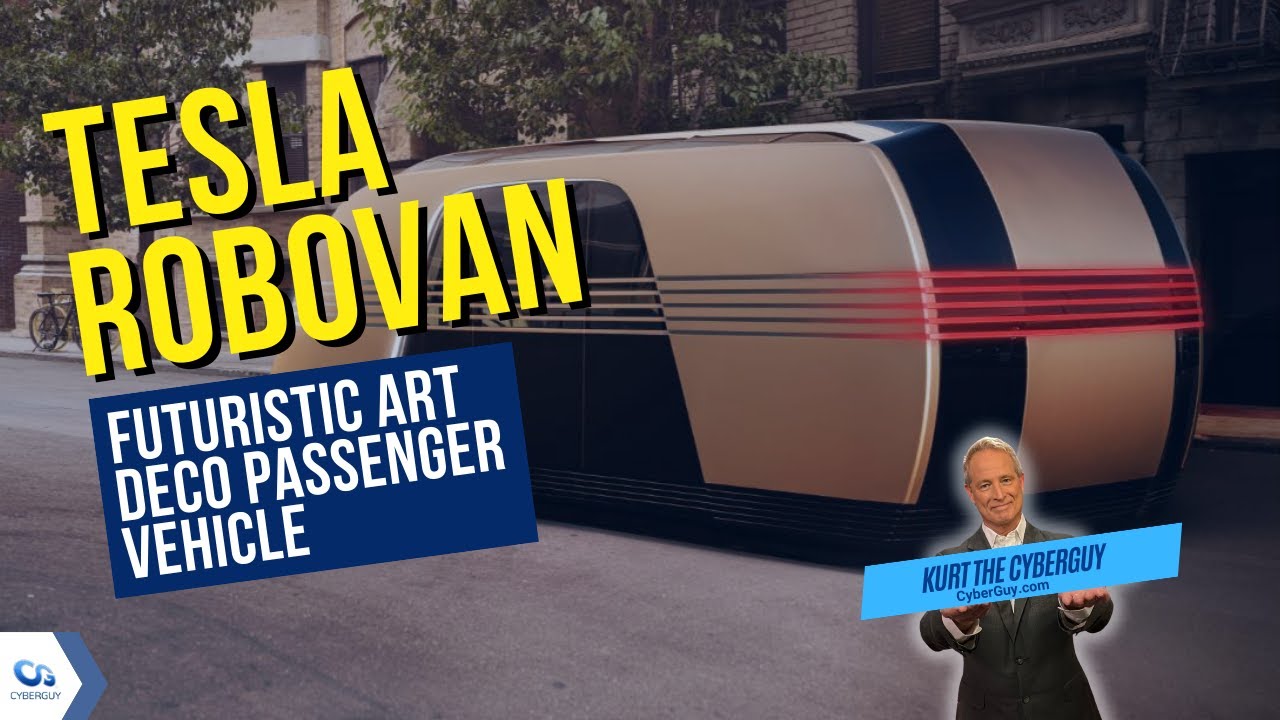
Elon Musk unveils the Tesla Robovan: A futuristic art deco passenger vehicle | Kurt the CyberGuy
Tesla Robovan - The Next-Gen Driverless Bus with INSANE Features!
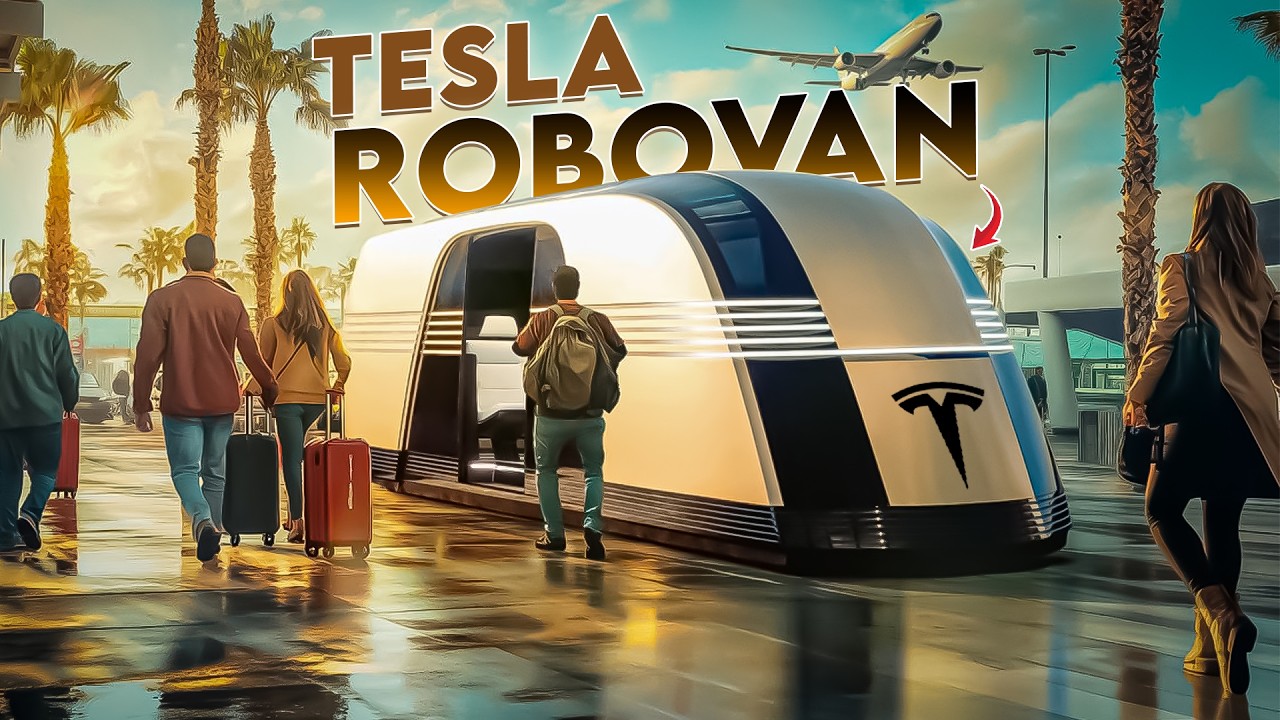
The 2025 Tesla Robovan - The Future Of Family Travel
Lesson I Learned After Buying a Robovan/taxi
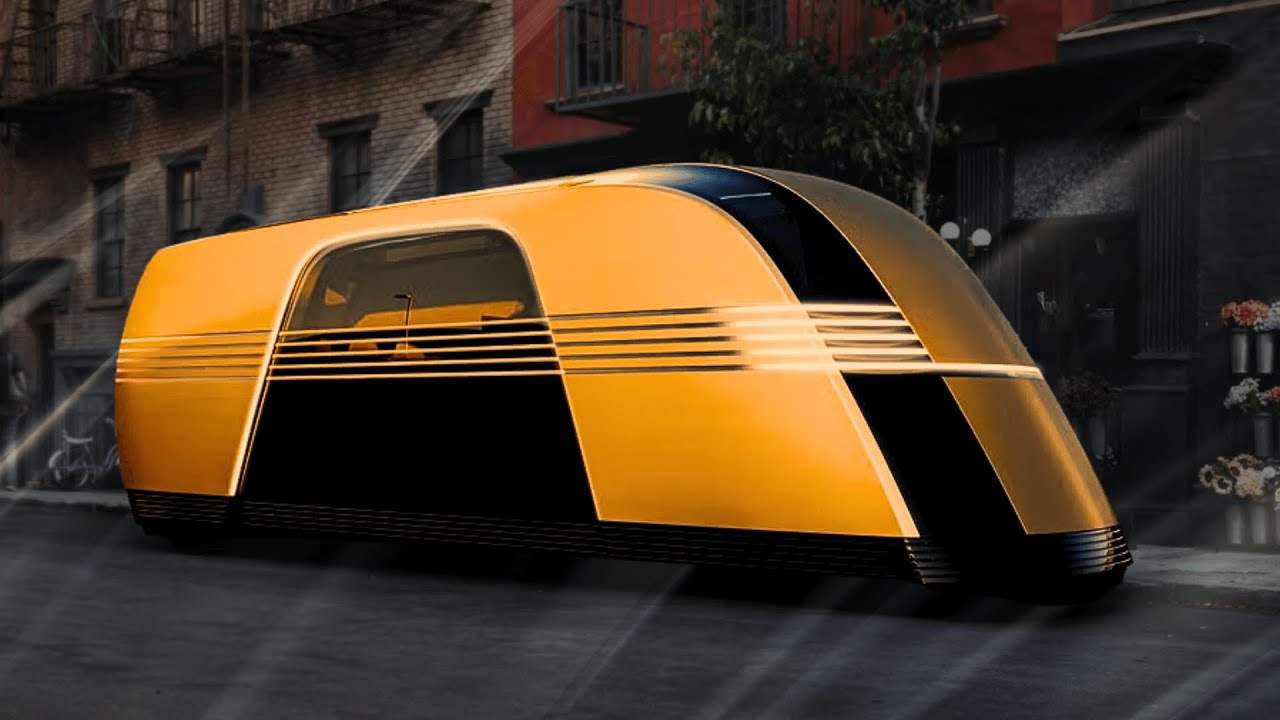
Tesla Robovan Revealed | Game-Changing Electric Van
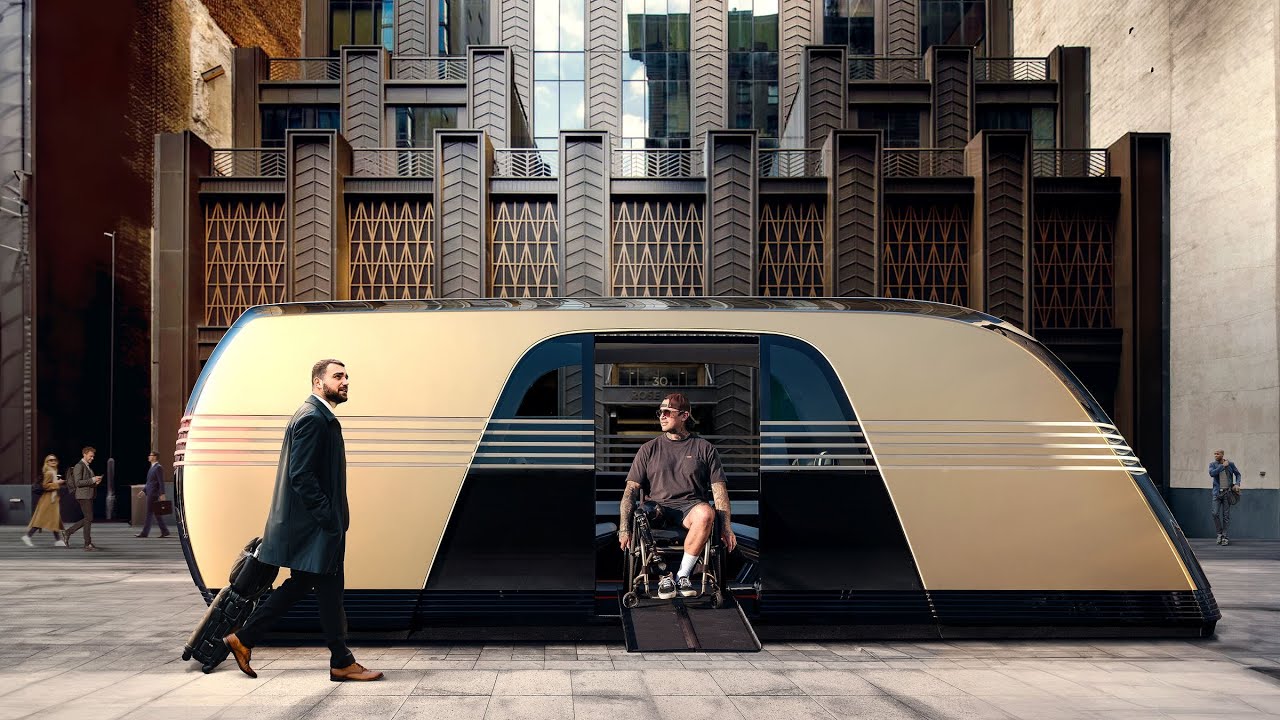
The Future Of Public Transportation || Tesla's Robovan
Review by Influencer
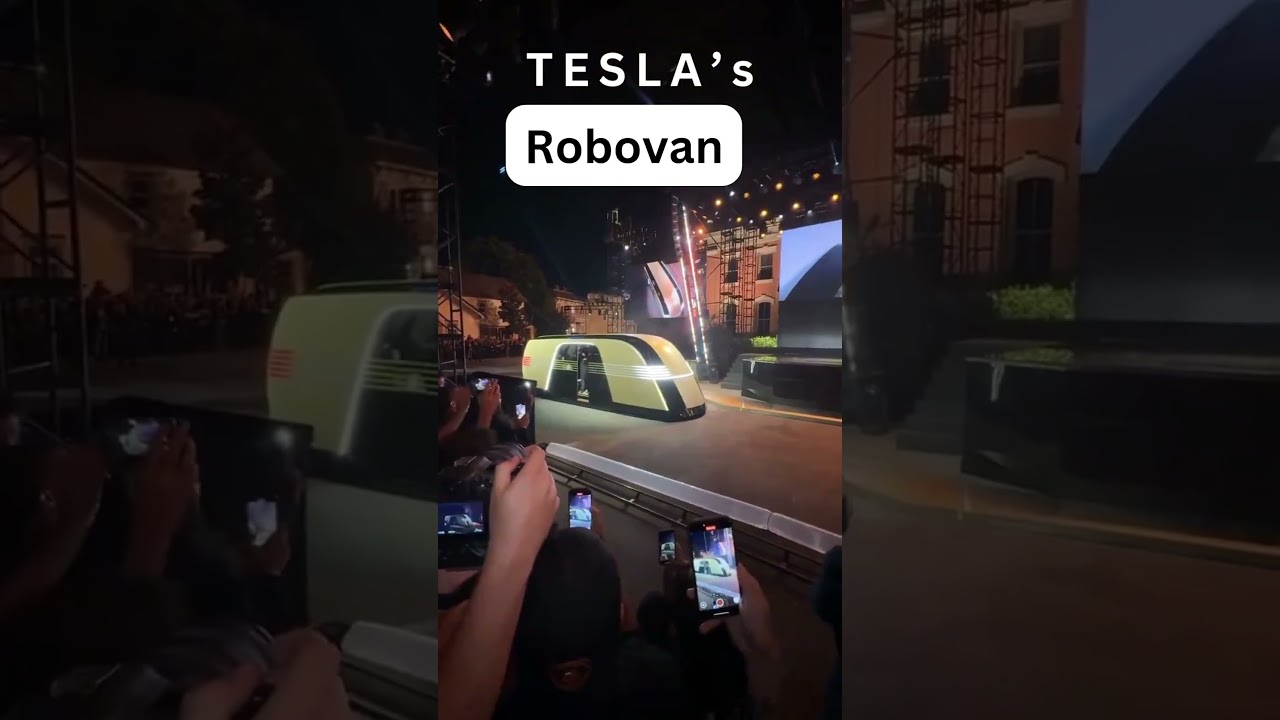
Tesla's EV autopilot Robovan can carry 20 people #shorts #tesla #elonmusk
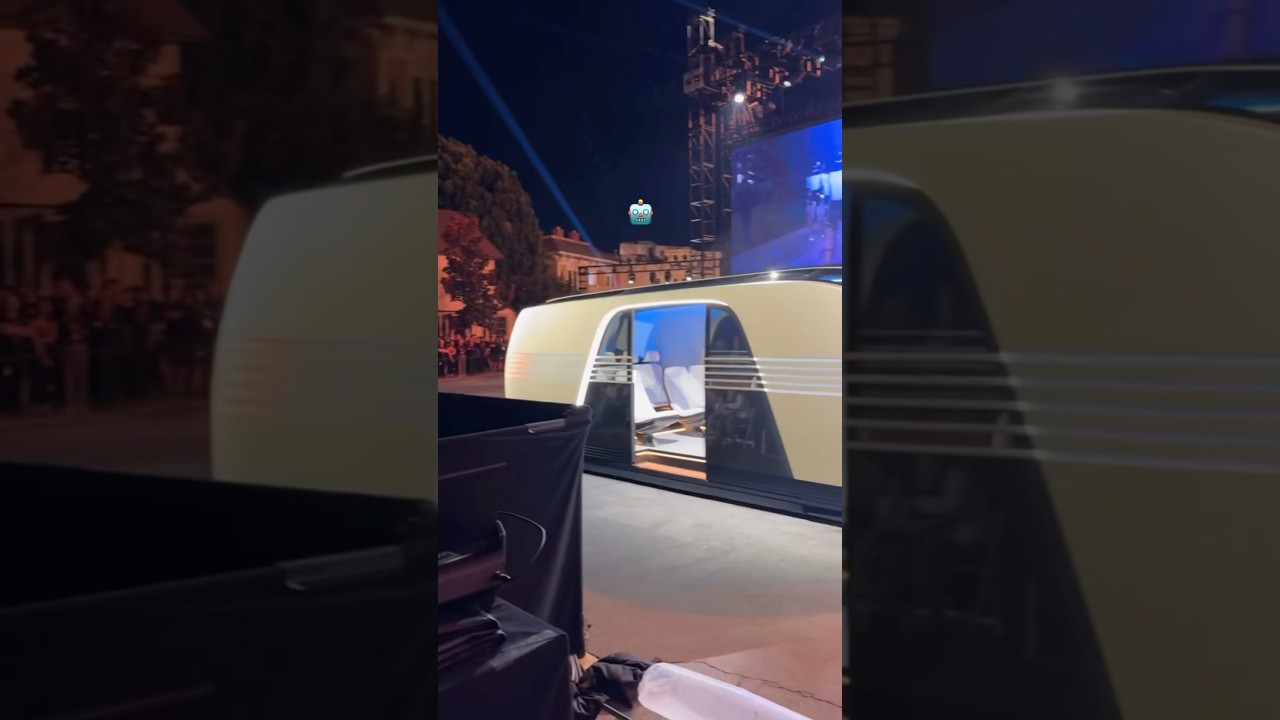
Tesla robovan #tesla #shorts
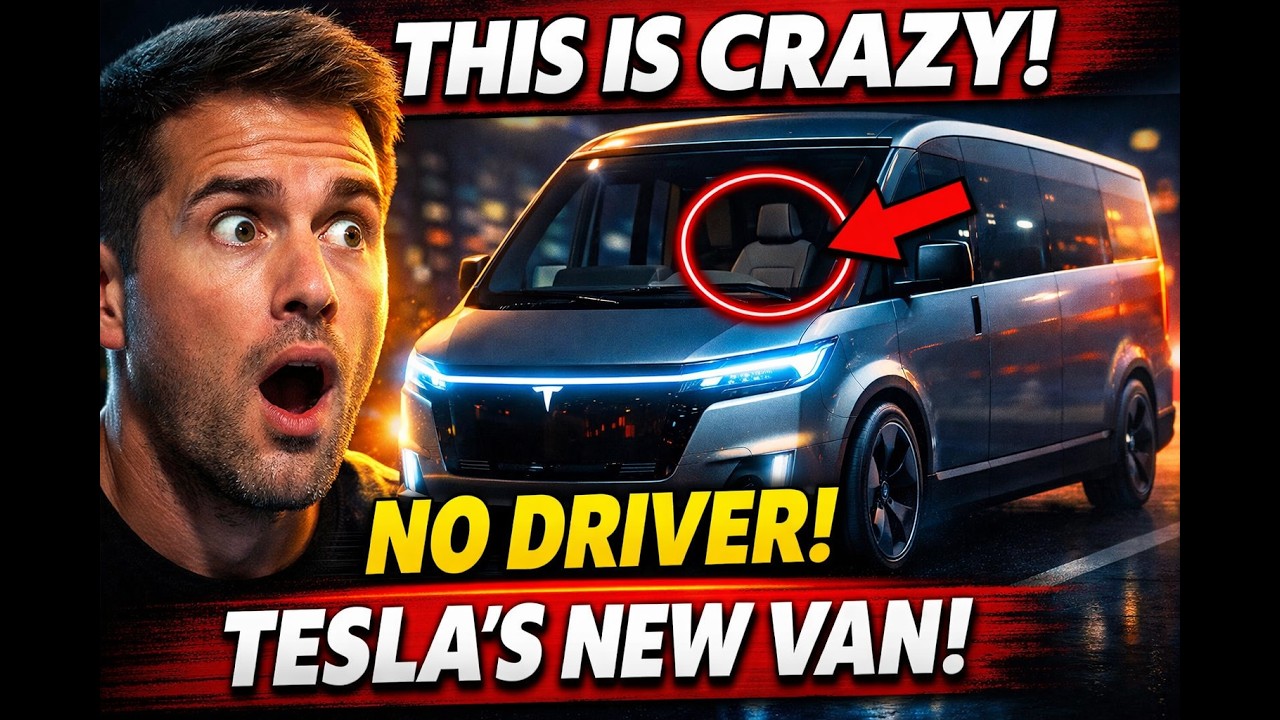
Tesla Robovan Explained: The Future of Delivery Is Here. No Driver, No Fuel
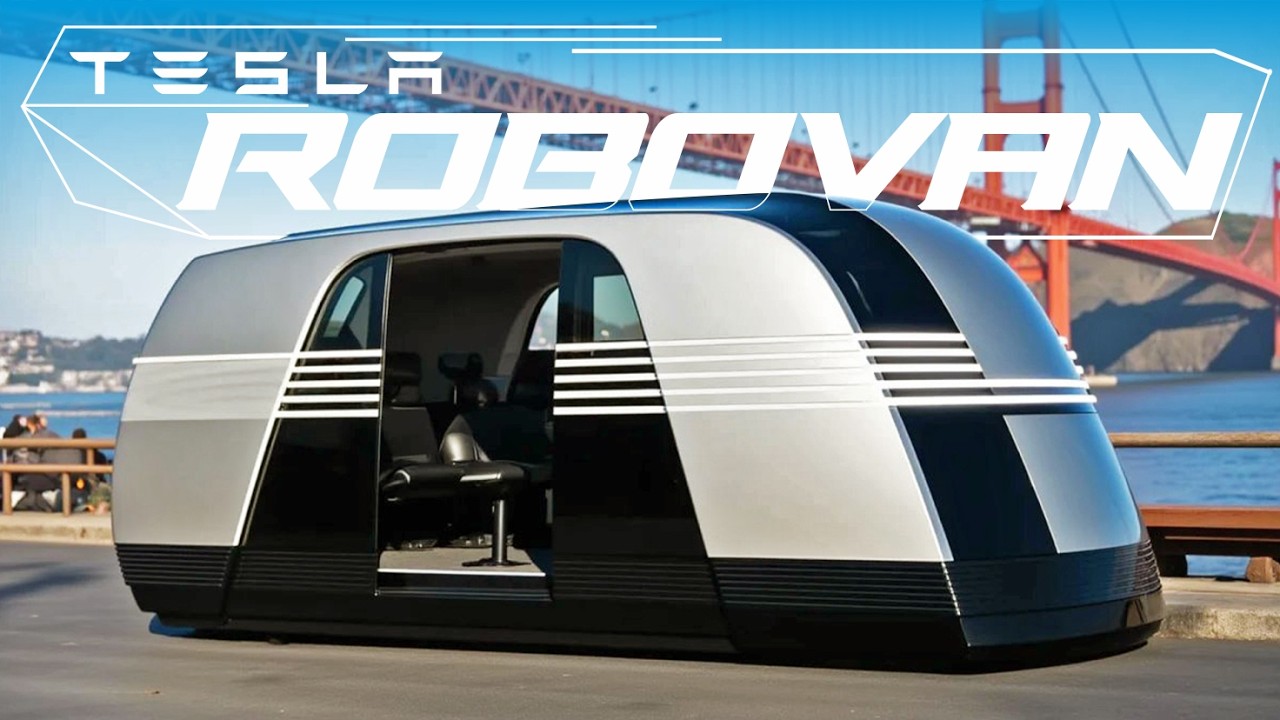
2027 Tesla Robovan Unveiled by Elon Musk | Eksterior, Interior, Features
Talk With Expert

Engage in genuine, confident discussions with experts, fostering trust, sharing insights, and encouraging collaborative problem-solving.
Tesla Robovan News and Guide
View All Tesla Robovan News and Guide →No blog posts found.