

Tesla Cybercab
₹0
Ex-Showroom Price

Tesla Cybercab
The Tesla Cybercab is a purpose-built autonomous 2-seat robotaxi with no steering wheel or pedals — using Tesla's FSD AI camera-only autonomy, wireless inductive charging, and butterfly doors. Revealed in October 2024, production is expected to begin in 2026 under $30,000.
Price Breakup
Please select variant first

Key Specification

300+ km (Estimated)
Range

50–60 kWh (Estimated)
Battery Capacity
.png&w=64&q=75 "Max Power")
Not officially confirmed
Max Power
.png&w=64&q=75 "Max Torque")
Not officially confirmed
Max Torque

2
Sitting Capacity
.png&w=64&q=75 "Fuel Type")
Electric
Fuel Type

Not yet confirmed
Ground Clearance

Not yet confirmed
Tire Size
.png&w=64&q=75 "Boot Space")
Limited — robotaxi form factor
Boot Space

Sedan
Body Type

Single/Dual motor (Not confirmed)
Transmission
Tesla Cybercab variants
The Tesla Cybercab price for the base model starts at (Ex-Showroom) and ₹0 (On-Road, Noida). There are 0 variants listed below.
Data is not available
Tesla Cybercab Colors (2)
Tesla Cybercab Colors (2)
White

White
Silver
Tesla Cybercab Latest Updates
- •
Tesla officially revealed the Cybercab in October 2024 — a purpose-built autonomous 2-seat robotaxi with no steering wheel or pedals.
- •
Tesla claims production will begin in 2026 at under $30,000 (approximately ₹25 lakh) globally.
- •
Cybercab uses inductive wireless charging — no plug required for charging.
Concept and design
Cybercab is a 2-seat robotaxi with butterfly doors, no steering wheel, no pedals, and no traditional controls — designed entirely for autonomous operation. The butterfly door design is striking and optimised for passenger entry/exit at curbside drop-offs.
Autonomy and tech
Cybercab uses Tesla's Full Self-Driving (FSD) AI exclusively — no LIDAR, radar, or legacy sensors. Pure camera-based autonomy. Wireless inductive charging eliminates the need for any human interaction to charge. Tesla plans to offer Cybercab on its robotaxi network allowing owners to earn revenue when not using their vehicle.
India relevance
Tesla India launch for the Cybercab requires regulatory approval for autonomous vehicles — India's current regulations do not permit fully autonomous vehicles without a driver. India-specific timeline is entirely unknown.
Tesla Cybercab Brochure
How is Tesla Cybercab
Pros
- •First purpose-built autonomous robotaxi from a major manufacturer.
- •Wireless inductive charging — no plug interaction required.
- •Sub-$30,000 target pricing makes autonomous tech accessible.
Cons
- •India regulatory approval for autonomous vehicles does not currently exist.
- •All specifications remain unconfirmed — revealed as a concept with production claims.
- •No steering wheel or pedals — not usable as a conventional car.
User Review
Loading reviews...
Q. Tesla's Cybercab is targeting a sub-$30,000 (₹25 Lakh) price globally — if it arrives in India, does this pricing disrupt the Ola Electric, Tata Nexon EV, and Maruti EV market, or does it occupy a completely different segment?
SIX BUY AND SELL TEAM • Apr 2026
The Cybercab is fundamentally a different product category from these mass-market EVs — it is designed as an autonomous taxi for fleet deployment, not a personal vehicle for individual ownership. Its ₹25 Lakh price is intended for aggregator fleets (Ola, Uber equivalents) rather than retail buyers. If Ola Cabs or Uber India deploys Cybercabs as autonomous vehicles, it disrupts the ride-hailing driver economy, not the personal EV market. Indian individual car buyers are not the Cybercab's target customer — Indian fleet aggregators and urban mobility companies are.
By SIX BUY AND SELL TEAM • Apr 2026
Q. The Cybercab reportedly uses inductive wireless charging — how does this work in practice, and is this technology viable for Indian urban deployment conditions?
SIX BUY AND SELL TEAM • Apr 2026
Inductive (wireless) charging works via a charging pad embedded in the ground — the Cybercab parks precisely over the pad and charges without any physical cable connection. For a controlled depot environment (a fleet yard with precisely marked bays), this is practical. For Indian street parking or uncontrolled environments, precise positioning on a ground pad is challenging given India's variable road surfaces and unstructured parking. Wireless charging efficiency is also 85–92% of equivalent wired charging — a meaningful energy loss at fleet scale. Indian Cybercab deployment will likely use wired depot charging supplemented by wireless where infrastructure permits.
By SIX BUY AND SELL TEAM • Apr 2026
Q. The Cybercab has no steering wheel or pedals — how does India's regulatory framework for motor vehicles (CMVR) currently address, or fail to address, vehicles designed for full autonomy?
SIX BUY AND SELL TEAM • Apr 2026
India's Central Motor Vehicles Rules (CMVR) currently require a licensed driver and manual controls in all registered motor vehicles — the Cybercab's no-steering-wheel design is legally non-compliant under current Indian law. NITI Aayog and MoRTH have initiated autonomous vehicle policy frameworks, but as of 2026 no regulatory approval pathway for fully driverless commercial vehicles exists. India-specific Cybercab deployment will require either a regulatory change (possible within 5–7 years for defined geo-fenced zones) or a modified steering-wheel-equipped variant for the Indian market — the latter being the more likely near-term solution.
By SIX BUY AND SELL TEAM • Apr 2026
Q. Cybercab vs Waymo One vs Baidu Apollo Go — for a city government or transport authority evaluating autonomous taxi pilots in India, which platform offers the most relevant deployment model?
SIX BUY AND SELL TEAM • Apr 2026
Waymo One (Alphabet) operates in geo-fenced US cities; Baidu Apollo has Chinese urban deployments. Neither operates in India. The Cybercab offers the most aggressive commercial pricing and Tesla's global deployment ambition. For Indian city governments (Bengaluru, Hyderabad, Pune have expressed autonomous vehicle pilot interest), the relevant comparison is between controlled pilot zones and full deployment — starting with geo-fenced tech park campuses or airport ground transport. Tesla's Cybercab is the most commercially aggressive option; Waymo's safety data record is the most established. Indian pilots will likely occur first in controlled private campuses before public roads.
By SIX BUY AND SELL TEAM • Apr 2026
Q. For an individual Indian investor considering whether Cybercab fleet ownership (buy 5–10 units and join Tesla's robotaxi network) makes financial sense — what does the opportunity and risk look like?
SIX BUY AND SELL TEAM • Apr 2026
Tesla's robotaxi network model (individual owners contributing their Cybercab to an autonomous fleet and earning passive income) is the proposed ownership model. In India, this requires: regulatory approval of autonomous commercial operation (not yet existing), Tesla establishing a revenue-sharing operating model in India, and insurance/liability frameworks for driverless vehicle accidents (entirely undefined in Indian law). The financial model is potentially compelling (estimated $30,000/year revenue per vehicle in US projections), but every prerequisite for Indian implementation is either non-existent or years away. Treat this as a 2030+ opportunity to monitor, not a 2026 investment decision.
By SIX BUY AND SELL TEAM • Apr 2026
Upcoming Cars

Upcoming Tesla Cars


Popular Upcoming Cars
Recommended Cars for you


Popular Coupe Cars
Stories
Tesla Cybercab: The Self-Driving Disaster Show
Why Elon Musk’s Robotaxi Is Such a Risky Bet for Tesla
10 Things Tesla Will Never Tell You About the New Cybercab
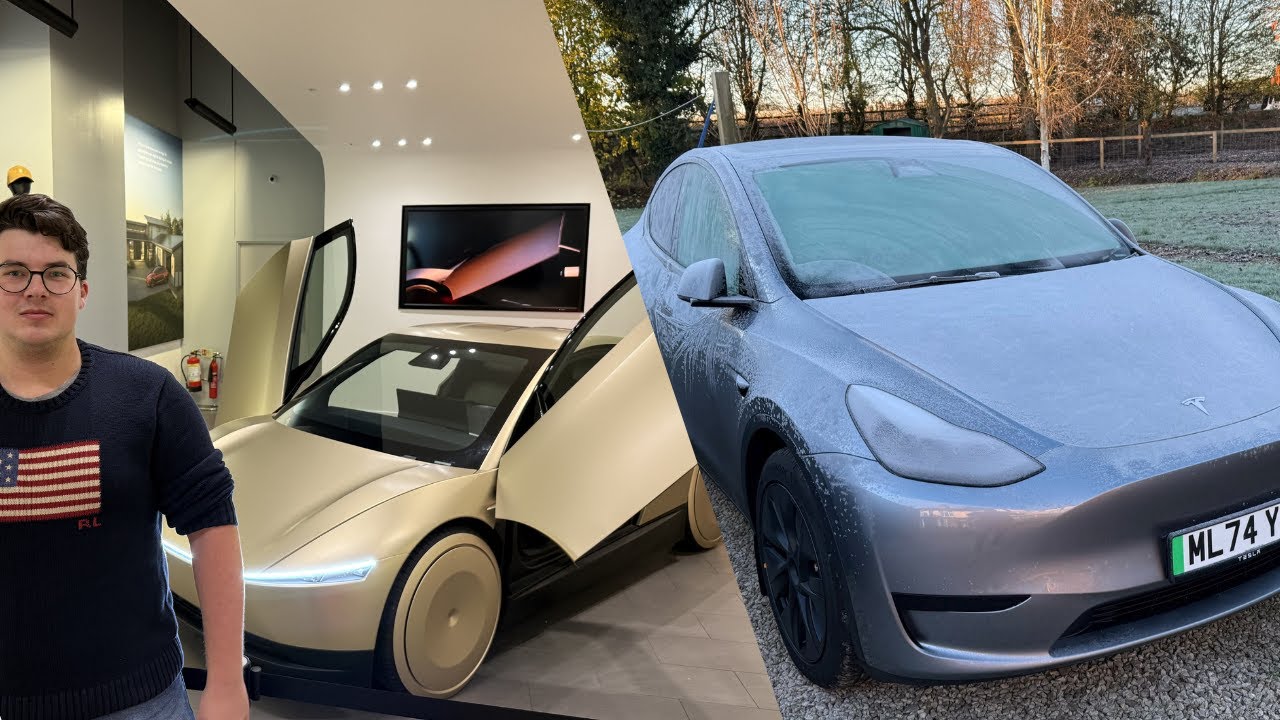
500+ Mile UK Tesla Model Y Roadtrip & Tesla CyberCab In Person
Tesla Robotaxi Cybercab FIRST LOOK On Road! FSD Hardware 4.5 Testing Unbelievable!

Elon Musk’s Tesla Cybercab Secures New Permits — 4 Secret Engineering Upgrades Revealed!
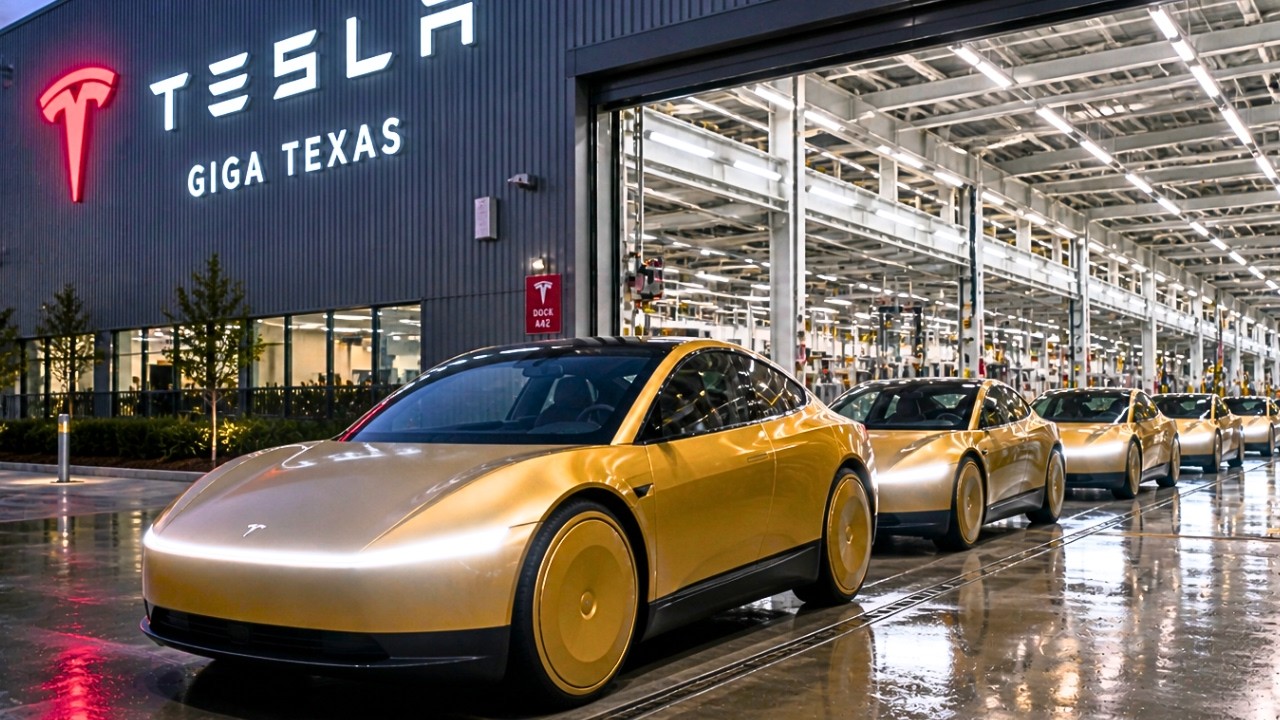
$30K Tesla Cybercab Drives Itself Off Giga Texas — History Was Just Made!

Tesla Cybercab enters production — what it means as an AI inference and fleet learning story - Glen
Review by Influencer
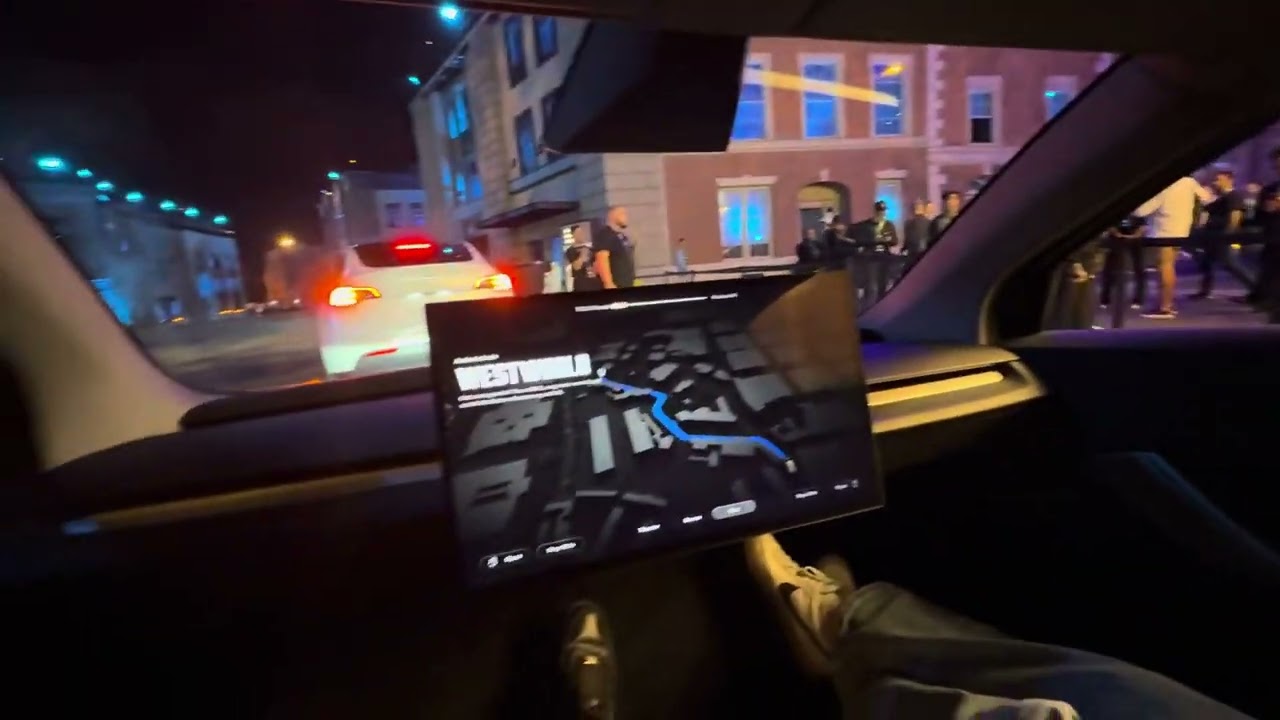
Tesla Cybercab! My first Driverless Tesla Ride!
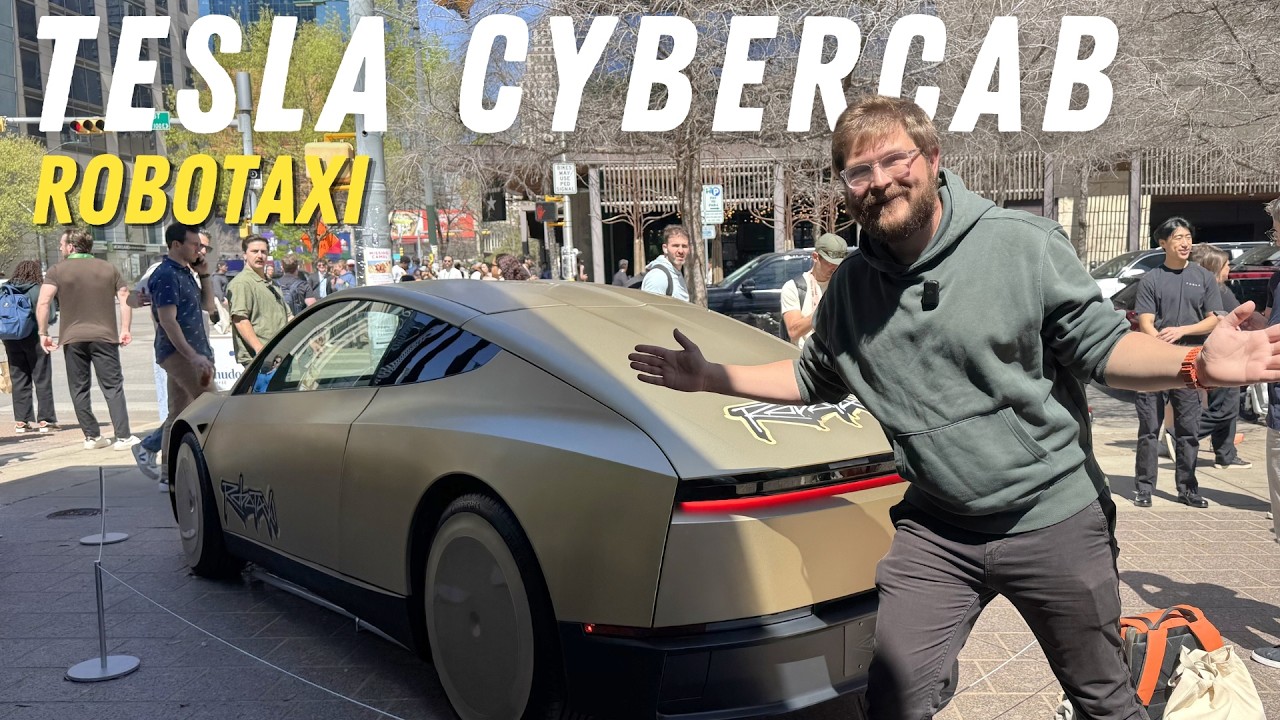
Tesla Cybercab First Look! Cabin Space, Doors, Interior Quality, Trunk Space, Charging Port, Design
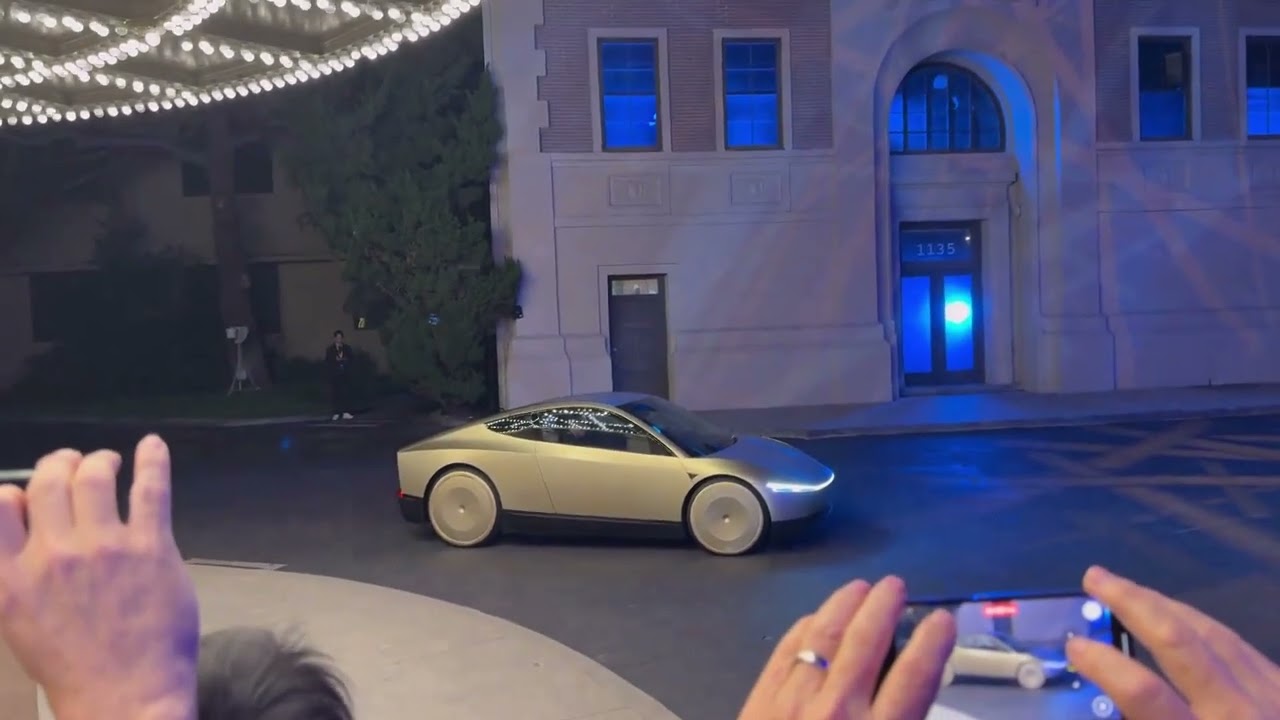
First look at Tesla Cybercab, Tesla Robotaxi
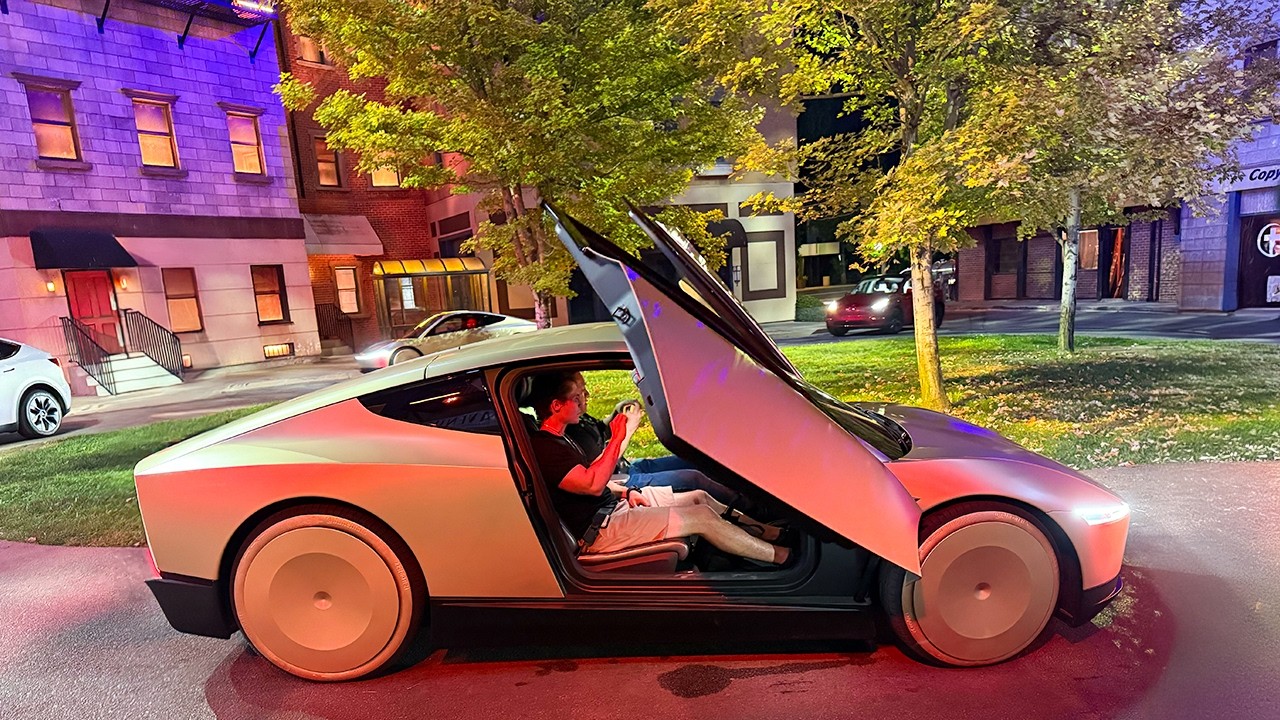
NEW Tesla CyberCab is HERE! - First Look + Full Ride in Robotaxi
Talk With Expert

Engage in genuine, confident discussions with experts, fostering trust, sharing insights, and encouraging collaborative problem-solving.
Tesla Cybercab News and Guide
View All Tesla Cybercab News and Guide →No blog posts found.